 Mattresses
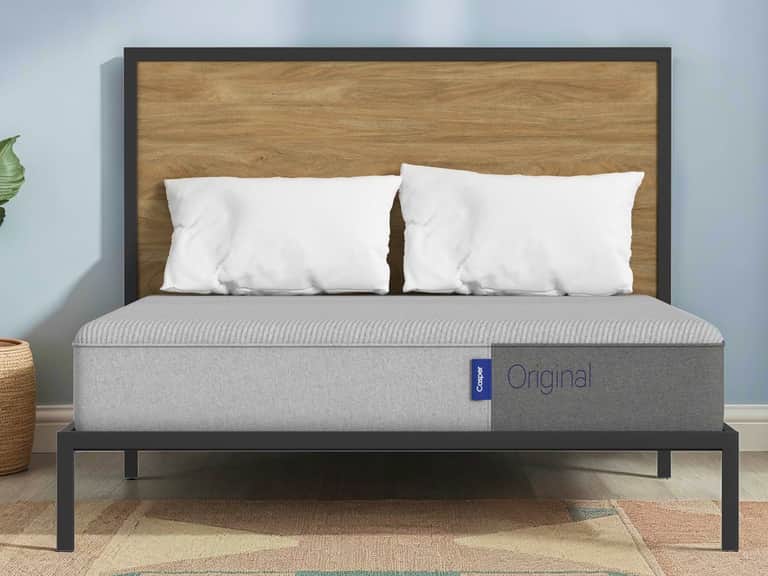
Original Mattress
Sleep cooler and feel cradled by responsive foam that conforms to your body, while three ergonomic zones keep your spine aligned and pressure balanced all night.
Foam mattresses are distinguished by their supportive comfort layers, durable cores, and responsive feel that adapts to body weight and sleeping position. In this category, foam construction emphasizes contouring properties, motion isolation, and pressure relief, making it suitable for diverse sleep preferences. Understanding the materials, densities, and certifications helps shoppers assess suitability for long-term comfort and health considerations such as foam off-gassing and breathability.
Organic foam mattresses prioritize non-toxic materials and low chemical emissions, aligning with a health-conscious approach to bedding. Key features include CertiPUR-US or OEKO-TEX certified foams, breathable covers, and adhesive-free layers that minimize odors. These characteristics contribute to improved air quality in the sleeping environment and support restorative sleep cycles.
The Original Mattress in this category typically combines a supportive base with a pressure-relieving top layer, delivering balanced contouring and durability. Features to note include zoned support, temperature regulation, and edge stability, which collectively enhance spinal alignment and independent contouring across different sleeping positions throughout the night.
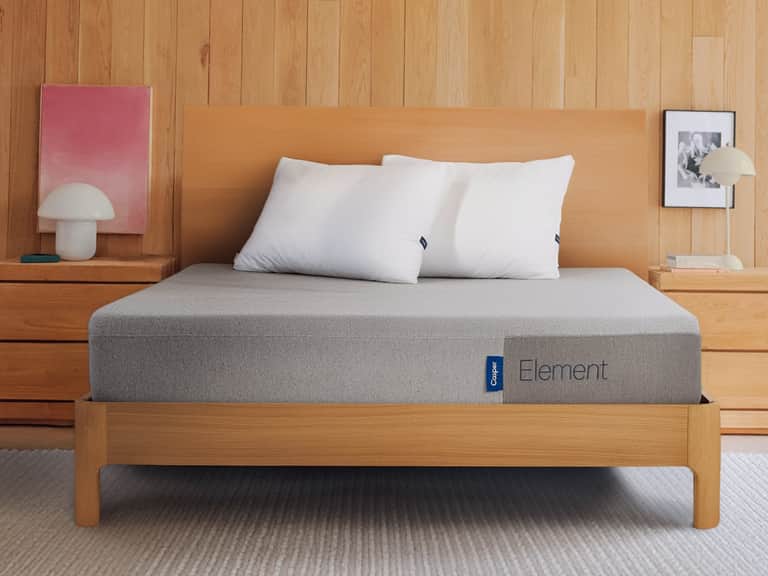
The Element Mattress offers a streamlined foam architecture designed for responsive comfort and reduced motion transfer. Its core density and layering aim to provide steady support under the hips and shoulders while maintaining a soft, pressure-relieving surface. This model is often chosen for its nuanced balance of comfort and support in various sleep styles.
For ecosystems-conscious bedding literature, these foam mattresses integrate with organic crib mattresses and complementary bedding like sheets and pillows. Understanding how foam density, cover materials, and certifications intersect with overall sleep hygiene supports informed decisions about product compatibility, safety, and long-term usability within a holistic bedroom environment.
Mattresses
 Mattresses